Pelvi Ureteric Junction Obstruction Treatment Delhi Using Minimally Invasive Surgery
Pelvi Ureteric Junction Obstruction (PUJO) is a condition in which there is narrowing or blockage at the junction where the kidney pelvis meets the ureter. This obstruction interferes with the normal flow of urine from the kidney to the bladder. As urine accumulates, it causes kidney swelling, a condition known as hydronephrosis. If left untreated, prolonged back pressure can impair kidney function and may eventually result in permanent kidney damage or a non-functioning kidney.
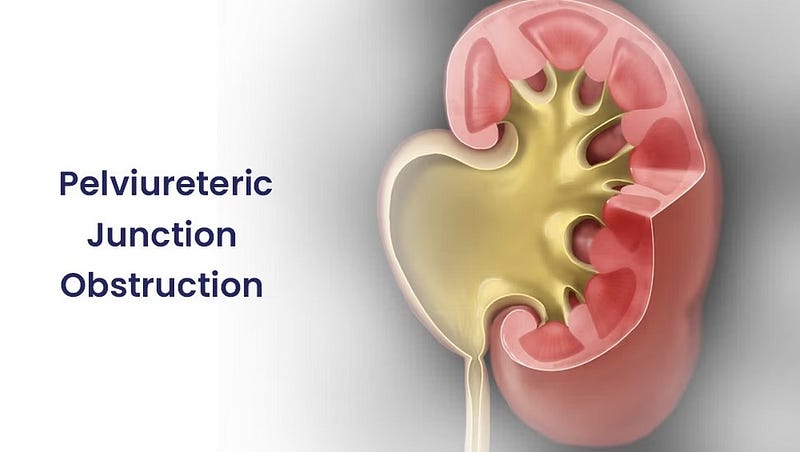
Early identification and timely Pelvi Ureteric Junction Obstruction Treatment Delhi play a vital role in preserving long-term renal health, especially in children.
How Common Is PUJ Obstruction?
PUJO is one of the most frequent congenital urinary tract conditions. It is present in approximately 1 in every 1,500 children and is the leading cause of hydronephrosis detected during prenatal ultrasound scans. Many cases are identified before birth, allowing early postnatal monitoring and intervention when required.
Symptoms of PUJ Obstruction:
Some children with PUJO may not show obvious symptoms and are diagnosed incidentally during imaging studies. However, when symptoms do occur, they may include:
- Intermittent flank or back pain
- Swelling of the kidney detected on ultrasound
- Recurrent urinary tract infections (UTIs)
- Episodes of abdominal discomfort
- Pain that worsens with increased fluid intake
In infants, symptoms may be subtle, making imaging studies crucial for diagnosis.
How Is PUJ Obstruction Diagnosed?
While ultrasound is useful for detecting hydronephrosis, the definitive diagnosis of PUJO is established through a DTPA renal scan. This specialized nuclear imaging test assesses kidney function, measures urine drainage, and determines the severity of the obstruction. It helps doctors decide whether observation or surgery is required.
Treatment Options for PUJ Obstruction:
The management of PUJO depends on the degree of obstruction and kidney function:
- Mild or stable obstruction: Children with mild blockage and good kidney function are closely monitored with regular ultrasounds.
- Severe or progressive obstruction: If the obstruction worsens or kidney function declines, surgical intervention becomes necessary to prevent irreversible damage.
Specialized Pelvi Ureteric Junction Obstruction Treatment Delhi ensures individualized care based on the child’s condition.
What Is Pyeloplasty?
Pyeloplasty is the gold-standard surgical procedure for correcting PUJ obstruction. The surgery involves removing the narrowed segment of the ureter and reconnecting the healthy ureter to the kidney pelvis, allowing urine to drain freely.
This procedure can be performed using:
- Open pyeloplasty: Traditional surgical approach
- Laparoscopic pyeloplasty: Minimally invasive keyhole surgery offering less pain, smaller scars, and quicker recovery
Both methods have excellent success rates when performed by experienced pediatric surgeons.
Recovery After Surgery:
Most children remain hospitalized for 1–2 days following surgery. A temporary internal tube called a ureteric stent is placed during the procedure to keep the urine pathway open while healing occurs. The stent is usually removed after 4–6 weeks through a short daycare procedure using a scope passed through the urinary tract.
With proper follow-up and expert care, children typically recover well and regain normal kidney function.
#Best Pediatric Urologist In Delhi #Hirschsprung Disease Treatment In India


Comments
Post a Comment