Vesicoureteral Reflux (VUR) Child Delhi: Diagnosis, Risks and Treatment Options
The kidneys play a vital role in filtering blood and producing urine, which normally flows one way — from the kidneys through the ureters into the bladder. In some children, urine flows backward from the bladder into one or both ureters and kidneys. This condition is known as vesicoureteral reflux (VUR). It is relatively common in infants and young children and affects nearly 10% of the pediatric population.
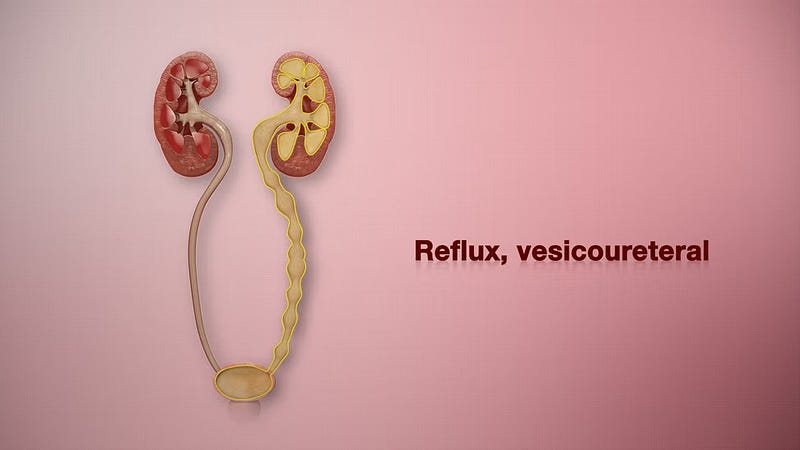
If left untreated, VUR can lead to recurrent urinary tract infections (UTIs), kidney scarring, impaired renal function, and high blood pressure later in life. Early evaluation and timely Vesicoureteral Reflux Surgery Child in Delhi can help protect a child’s kidneys and long-term health.
Why Does Vesicoureteral Reflux Occur?
Normally, a valve mechanism at the point where the ureter joins the bladder prevents urine from flowing backward. In primary VUR, this valve is underdeveloped or defective, allowing urine to reflux into the ureters. This condition may affect one or both kidneys.
Secondary VUR develops due to obstruction at the bladder outlet or abnormal bladder function. Conditions such as posterior urethral valves or neurogenic bladder increase pressure inside the bladder, forcing urine backward into the urinary tract. This backflow significantly increases the risk of infection and renal scarring.
Symptoms of VUR in Children:
Many children with VUR present with UTIs, particularly before the age of five. Common symptoms include:
- Fever without an obvious source
- Foul-smelling or cloudy urine
- Burning or pain during urination
- Frequent or urgent urination
- Vomiting
Infants may show non-specific symptoms such as poor feeding, diarrhea, fever, and excessive irritability. In some cases, hydronephrosis detected during antenatal ultrasound may be the first clue.
How Is VUR Diagnosed?
VUR is often suspected after recurrent UTIs or abnormal ultrasound findings. While ultrasound can show kidney swelling, it does not confirm reflux.
The definitive test is a voiding cystourethrogram (VCUG). During this procedure, a contrast dye is introduced into the bladder through a catheter, and X-ray images are taken while the child urinates. This allows doctors to see whether urine flows backward into the ureters. VUR is classified into five grades based on severity, guiding treatment decisions.
Treatment Options for Vesicoureteral Reflux:
Management depends on the grade of reflux, age of the child, frequency of infections, and kidney function.
Antibiotic Prophylaxis:
Low-dose antibiotics may be prescribed to prevent UTIs while waiting for mild reflux to resolve naturally. Regular monitoring is required, and long-term use may lead to antibiotic resistance.
Surgical Correction:
Vesicoureteral Reflux Surgery Child in Delhi is recommended for high-grade reflux, recurrent infections, or kidney damage. Surgery corrects the valve mechanism and can be performed using open or minimally invasive laparoscopic techniques, offering high success rates.
Endoscopic Treatment (Deflux Injection):
This minimally invasive daycare procedure involves injecting a biocompatible gel near the ureter opening using a cystoscope. The gel supports the valve mechanism and prevents urine backflow. Deflux therapy is safe, effective, and associated with minimal discomfort. It works best in lower grades of VUR and unilateral cases.
Long-Term Outlook:
With appropriate treatment and follow-up, most children with VUR have excellent outcomes. Early diagnosis and timely intervention significantly reduce the risk of kidney damage and long-term complications.
#Best Pediatric Surgeon in Delhi #Hernia Surgery For Child In Delhi


Comments
Post a Comment