Managing Hirschsprung’s Disease: Expert Care by the Best Pediatric Surgeon in Delhi
Hirschsprung’s disease is a congenital condition that primarily affects the large intestine (colon) and interferes with the normal movement of stool through the bowel. This disorder occurs due to the absence of specialized nerve cells, known as ganglion cells, in a segment of the intestine. These nerve cells play a crucial role in coordinating the muscular contractions (peristalsis) that push food and waste through the digestive tract and ultimately out of the body.
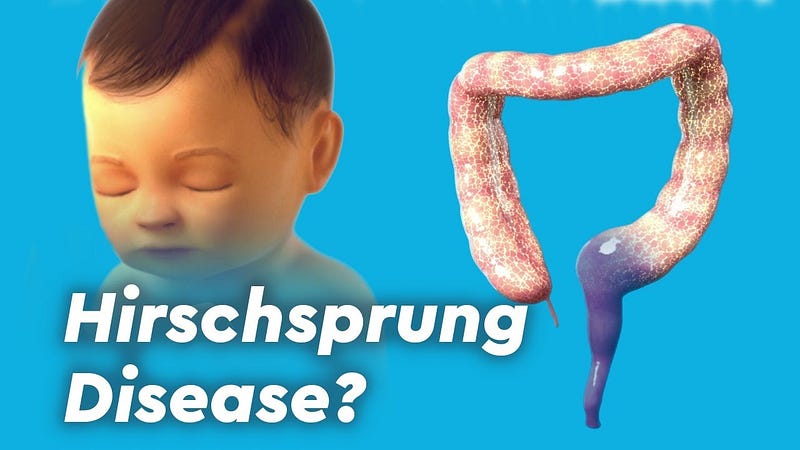
During fetal development, nerve cells normally form along the entire length of the intestines, beginning near the mouth and extending down to the anus. In children with Hirschsprung’s disease, this process stops prematurely, leaving a portion of the intestine without nerve supply. As a result, that segment cannot relax and move stool forward, leading to partial or complete intestinal blockage. Over time, the normal intestine above the affected area becomes dilated, causing symptoms such as constipation, abdominal swelling, and a higher risk of infection.
Who Is Affected?
Hirschsprung’s disease is more commonly seen in boys than girls. While most affected infants show symptoms shortly after birth, the severity and timing of symptoms depend on how much of the intestine lacks nerve cells. In some children, only a short segment is involved, which may delay diagnosis until later childhood.
Symptoms of Hirschsprung’s Disease:
In newborns, common signs include:
- Failure to pass the first bowel movement (meconium) within the first 48 hours of life
- Progressive abdominal distension
- Vomiting green or brownish fluid
In older infants and children, symptoms may include:
- Chronic constipation that worsens over time
- Poor appetite
- Delayed growth and weight gain
- Small, watery, or foul-smelling stools
How Hirschsprung’s Disease Is Diagnosed:
Several tests are used to confirm the diagnosis:
- Abdominal X-ray: Helps identify bowel obstruction, absence of stool in the lower colon, or dilated segments of the intestine.
- Barium Enema (Contrast Study): A special dye is introduced into the rectum, allowing X-ray imaging of the colon to detect narrowed areas or blockages.
- Rectal or Intestinal Biopsy: This is the most definitive diagnostic test. A small tissue sample is examined under a microscope to confirm the absence of ganglion cells.
Hirschsprung Disease Treatment in India:
The definitive treatment for Hirschsprung’s disease is surgical correction, most commonly through a procedure known as the pull-through surgery. During this operation, the surgeon removes the abnormal segment of the intestine lacking nerve cells and connects the healthy portion directly to the anus. This allows normal passage of stool.
The pull-through procedure can be performed using open surgery or minimally invasive laparoscopic techniques, depending on the child’s condition and the surgeon’s expertise. In many cases, it is done as a single-stage surgery. However, severely ill children or those with significant bowel infection may first require a temporary ostomy, where the intestine is brought to the abdominal wall to allow healing before the final corrective surgery.
Choosing the Best Pediatric Surgeon in India is essential for optimal outcomes, as specialized experience significantly improves surgical success and long-term bowel function.
Long-Term Outlook:
Most children do well after surgery, but some may experience long-term issues such as bowel control problems, constipation, stool leakage, or recurrent infections. Regular follow-up, dietary management, and medical support help most children achieve a good quality of life.
Early diagnosis and timely surgical treatment remain key to ensuring the best possible outcome for children with Hirschsprung’s disease.
#Hirschsprung Disease Treatment In India #Pediatric Robotic Surgery In Delhi


Comments
Post a Comment