Managing Hydronephrosis in Child Treatment Delhi with the Best Pediatric Surgeon
Hydronephrosis is a medical condition characterized by the swelling or dilation of one or both kidneys due to the accumulation of urine. This occurs when there is an obstruction in the urinary tract or a backward flow of urine, known as vesicoureteral reflux. Although relatively uncommon, hydronephrosis can affect individuals of all age groups, including infants and children. In many cases, it is detected during pregnancy through routine antenatal ultrasound screening.
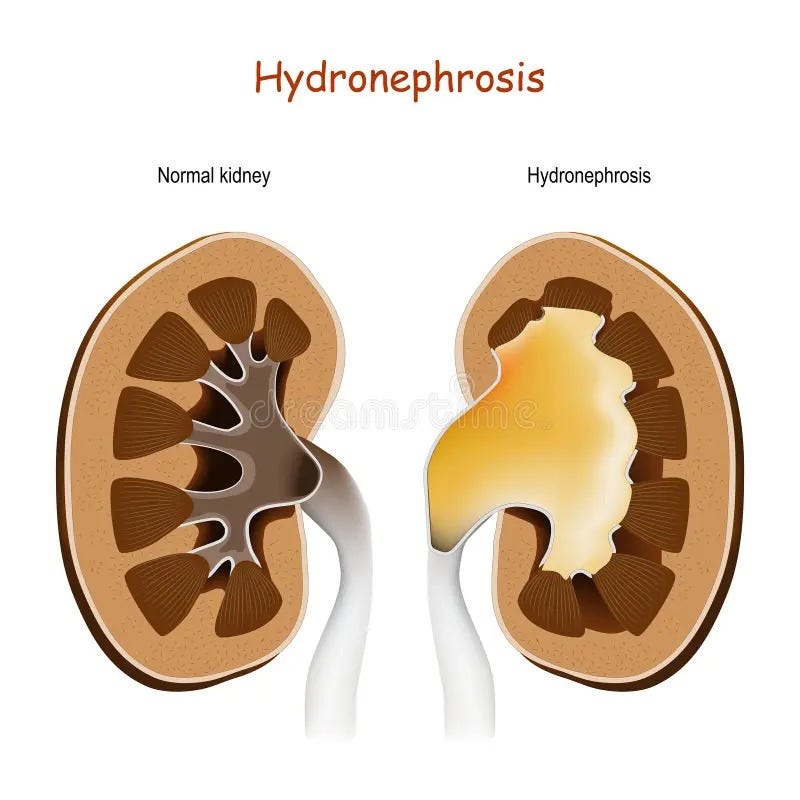
What is Hydronephrosis?
In children, hydronephrosis develops when urine fails to drain efficiently from the kidney into the bladder. This results in increased pressure within the kidney, potentially leading to progressive kidney damage if left untreated. It is important to note that not all cases require immediate surgery; however, timely evaluation and monitoring are essential to preserve kidney function.
Signs and Symptoms:
The clinical presentation of hydronephrosis in children can vary depending on severity. Common signs include:
- Detection during prenatal ultrasound (antenatal hydronephrosis)
- Recurrent urinary tract infections (UTIs)
- Pain or swelling in the abdomen or lower back
- Increased frequency of urination or discomfort while passing urine
- Poor growth or failure to thrive in infants
Early recognition of these symptoms plays a crucial role in initiating appropriate Hydronephrosis in Child Treatment Delhi.
Causes of Hydronephrosis in Children:
Hydronephrosis typically arises due to two primary mechanisms:
1. Urinary Tract Obstruction:
Blockages can occur at various levels of the urinary system, such as:
- Ureteropelvic junction (UPJ) obstruction — the most common cause
- Ureterovesical junction (UVJ) obstruction
- Posterior urethral valves (commonly seen in male children)
Posterior urethral valves can lead to bilateral kidney involvement and require prompt endoscopic surgical correction to prevent long-term complications.
2. Vesicoureteral Reflux (VUR):
In this condition, urine flows backward from the bladder into the ureters and kidneys. This abnormal flow increases the risk of infections and kidney damage over time.
Diagnosis and Evaluation:
A comprehensive diagnostic approach is essential for accurate assessment. Investigations may include:
- Blood and urine tests
- Ultrasound of the kidneys and bladder
- Voiding cystourethrogram (VCUG)
- Renal nuclear scans (DTPA or DMSA)
These tests help determine the severity of the condition and guide the treatment plan.
Treatment Options:
The management of hydronephrosis depends on the underlying cause and severity:
- Observation and Monitoring: Mild cases may resolve spontaneously and require periodic follow-up.
- Medical Management: Antibiotics may be prescribed to prevent urinary infections.
- Surgical Intervention: Required in cases with obstruction, recurrent infections, or declining kidney function. Procedures may include pyeloplasty or endoscopic valve ablation.
Seeking care from the Best Pediatric Surgeon in Dwarka,Delhi ensures accurate diagnosis, advanced surgical techniques, and optimal outcomes.
Why Early Treatment Matters:
Although hydronephrosis may not always be life-threatening, delayed treatment can result in irreversible kidney damage. Early diagnosis and timely intervention significantly improve long-term kidney health and overall quality of life.
If your child has been diagnosed or shows symptoms suggestive of this condition, consulting a specialist for Hydronephrosis in Child Treatment Delhi is crucial. With modern diagnostic tools and experienced pediatric surgeons available in Delhi, effective and child-friendly care is readily accessible.
#Hydronephrosis in Child Treatment Delhi #Best Pediatric Urologist In Delhi
Also visit: https://www.diigo.com/item/pdf/bgey1/tby6


Comments
Post a Comment